
Travel Insurance Thailand: Costs, Cover & Peace of Mind for Your 2025 Trip
Planning a Thailand adventure for 2025 or 2026? Before you book, it’s essential to consider Thailand travel insurance. This comprehensive guide is designed for UK and EU travelers planning trips to Thailand in 2025–2026. Here, you’ll find everything you need to know about travel insurance Thailand: what it covers, typical costs, key exclusions, the realities of healthcare in Thailand, and practical tips for choosing the right policy. Whether you’re staying in bustling Bangkok, relaxing on the islands, or exploring remote regions, understanding your insurance options is crucial. Travel insurance is especially important for Thailand due to the high cost of medical care, the need for upfront payment at hospitals, and the unpredictable nature of travel risks. This guide will help you make informed decisions so you can travel with confidence and peace of mind.
Quick Answer: Do You Really Need Travel Insurance for Thailand?
Travel insurance is not mandatory to enter Thailand, but it is highly recommended due to the potential high costs of medical treatment and other unexpected events. All hospitals in Thailand require a guarantee of payment before treating patients, which is often covered by travel insurance. Without travel insurance, you will be personally responsible for paying all costs if something goes wrong during your trip to Thailand. Healthcare in Thailand is not free for tourists, and both public and private medical facilities charge for their services, requiring payment before treatment.
Yes, you need it. While travel insurance is not a legal requirement to enter Thailand for most UK and European visitors, the financial risk of travelling without it is genuinely significant.
Thailand’s private hospitals—the ones tourists actually use—demand upfront payment or proof of insurance before treatment. A broken leg with complications treated on Koh Phangan, followed by air ambulance repatriation to the UK, can total €17,500–€29,000. A stolen smartphone and camera in Bangkok’s busy tourist areas? That’s €950–€1,400 gone in minutes.
Private hospitals dominate tourist destinations like Phuket, Koh Samui, Koh Phangan and Krabi. Public hospitals are cheaper but involve language barriers and longer waits. Without proper cover, you’re gambling with thousands of euros.
Good Thailand travel insurance lets you focus on choosing where to stay—whether that’s budget hostels at €23 per night, mid-range hotels at €70–€140, or private pool villas like KUUL Villas on Koh Phangan at €175–€350—instead of worrying about unexpected events.
Now that you understand why travel insurance is so important for Thailand, let’s define what it actually covers and how to choose the right policy.
What is Thailand Travel Insurance and What Should It Cover?
Definition of Travel Insurance for Thailand
Travel insurance for Thailand typically covers medical emergencies, trip cancellations, lost luggage, and personal liability. Standard travel insurance policies for Thailand usually include coverage for illness and accidents, trip cancellations, lost luggage, theft, and repatriation. Travel insurance can cover various unexpected events, including medical emergencies, trip cancellations, and lost luggage, which are common concerns for travelers in Thailand.
Core Coverage Areas
When selecting Thailand travel insurance, look for policies that include:
Emergency medical treatment (including hospital stays, surgery, and prescription medication)
Repatriation and medical evacuation (critical for island destinations)
Emergency dental treatment (typically €600–€1,200 limit)
24/7 assistance line with English-speaking operators
Trip cancellation and curtailment cover
Baggage and personal belongings protection
Standard policies might exclude popular adventure activities, necessitating specific add-ons. Travel insurance policies may not cover activities like scuba diving and motorcycle accidents unless specified.
Valuables and Personal Liability
Middle-class travellers typically carry smartphones worth €950+, laptops around €1,800, and cameras worth €600–€1,200. Your policy should include adequate valuables limits—aim for €1,800–€3,600 total with single-item limits of at least €600.
Personal liability cover protects you if you accidentally injure someone or damage property at your accommodation. Unlike generic worldwide policies, Thailand-specific risks include motorbike accidents, tropical diseases like dengue fever, and emergency transfers from islands.
Now that you know what to look for in a policy, let’s explore how much travel insurance for Thailand typically costs.
Recommended Coverage Levels and Typical Costs for Travel Insurance Thailand
To ensure adequate protection, policies with at least €1.2–2.4 million in medical cover are recommended for travel insurance in Thailand. The cost of being flown home for treatment from Thailand can be tens of thousands of euros. The average medical claim for travel insurance in Thailand was €2,100 in 2023, highlighting the potential costs of medical emergencies abroad.
| Coverage Area | Recommended Level | Typical Cost Range |
|---|---|---|
| Medical Expenses | €1.2–2.4 million minimum (up to €24 million on some policies) | €26–€145+ (single trip) |
| Repatriation/Evacuation | Included, up to policy limit | Included in most policies |
| Trip Cancellation | €1,200–€6,000 | Varies by policy |
| Baggage & Valuables | €1,800–€3,600 total, €600+ per item | May require add-on |
| Personal Liability | €1.2–2.4 million | Included in most policies |
| Adventure Activities | Add-on required for scuba, motorbikes, etc. | €12–€36 extra |
The average cost of travel insurance for Thailand is €60.
Travel insurance quotes for single trip policies for Thailand start from €26.
You can find travel insurance for Thailand from just €3.
The cost of travel insurance for Thailand can vary depending on factors like age and length of stay.
Travel insurance for Thailand can cover medical expenses up to €24 million, depending on the policy level.
How Much Does Travel Insurance for Thailand Cost in 2025?
Travel insurance represents a tiny fraction of your trip budget but protects the entire investment.
Typical costs for a healthy 30-year-old UK resident (10–14 day trip):
| Policy Type | Price Range |
|---|---|
| Basic cover | €23–€70 |
| Mid-range comprehensive | €40–€82 |
| Premium with high valuables | €92–€140 |
| Annual multi trip policy (excluding USA) | €58–€140 |
Factors affecting your premium:
Age (costs roughly double after 65)
Trip length (add €6–€12 per day beyond 14 days)
Multi-destination itineraries (10–20% increase)
Pre-existing medical conditions (50–200% increase after screening)
Add-ons like scuba diving (€18–€36) or gadget cover (€12–€24)
Buy cover the same day you book flights or accommodation—including deposits on villas like KUUL Villas—so cancellation cover starts immediately.
Next, let’s break down what good Thailand travel insurance typically covers in more detail.
What Does Good Thailand Travel Insurance Typically Cover?
Medical Cover
Emergency medical expenses (minimum €6–12 million)
Hospital cash benefit (around €120 per day)
Repatriation to home country
Emergency dental treatment (€360–€600)
Trip Protection
Trip cancellation and curtailment for illness or family emergencies
Missed departures and connections
Travel delays (typically 12+ hours triggers €120–€240 compensation)
Cancelled flights reimbursement
Belongings
Lost luggage, stolen or damaged baggage (€1,800–€3,600 limit)
Personal money and travel documents (€360 cash, passport replacement)
Police report required within 24 hours for theft claims
Liability and Assistance
Personal liability (€1.2–2.4 million) for accidental injury or property damage
Legal expenses cover
24/7 assistance services to find hospitals and arrange direct payment
Understanding what is not covered is just as important. Let’s look at common exclusions next.
What’s Usually NOT Covered by Thailand Travel Insurance?
Common Exclusions
Undeclared pre-existing condition (invalidates entire policy)
Travelling against medical advice or UK government warnings
Alcohol or drug-related incidents (falling off a scooter after heavy drinking at a moon party in Haad Rin)
Extreme sports without specialist add-ons (bungee jumping, Muay Thai camps, free-climbing)
Riding motorbikes over 125cc engine size or without appropriate licence and helmet
Unattended valuables on beaches, in bars or unlocked accommodation
War, terrorism (except limited medical cover in some policies)
Known events before departure (announced strikes, airspace closures)
If drink spiking or intoxication contributes to an incident, expect your claim to be rejected.
With exclusions in mind, let’s examine why healthcare in Thailand makes insurance so essential.
Healthcare in Thailand: Why Insurance Matters
Private Hospitals
Thailand has world-class private hospitals alongside basic public facilities—and the difference matters enormously for tourists. Private hospitals (Bangkok’s Bumrungrad International, Phuket’s Bangkok Hospital, Samui’s Bangkok Hospital) offer JCI-accredited care comparable to European standards. However, they require proof of insurance or deposits of €1,200+ before treatment.
Public Hospitals
Public hospitals charge €12–€60 per visit but involve longer waits, language barriers and fewer amenities than travellers expect.
Common Tourist Health Issues
Motorbike accidents (approximately 60% of tourist injuries)
Food poisoning and dehydration
Dengue fever (15,000+ cases annually, peak June–October)
Jellyfish stings and sunstroke
Islands like Koh Phangan have limited clinics. Serious cases require speedboat or helicopter transfer to Samui or Phuket—medical costs for helicopter evacuation alone can reach €12,000–€24,000. Your insurance policy should explicitly cover private hospital treatment and island evacuations.

Now that you understand the healthcare context, let’s look at the most common risks travelers face in Thailand and how insurance can help.
Common Risks in Thailand and How Insurance Can Help
Theft and Loss
Pickpockets target 10,000+ tourists annually in Bangkok
Night markets in Chiang Mai and beach bars on Koh Phi Phi are hotspots
Luggage loss on connecting flights via Doha, Dubai or Singapore (5–10% of claims)
Transportation Risks
Thailand’s road fatality rate is 32.7 per 100,000 (versus UK’s 2.6)
Ferry delays and cancellations during monsoon season
Night bus accidents on mountain routes
Health Risks
Mosquito bites carrying dengue fever (no widely available vaccine for visitors)
Respiratory irritation during northern burning season (February–April)
Extra precautions needed for hepatitis A exposure
Travel insurance covers medical treatment after accidents, replacement essentials when luggage is delayed, and extra hotel nights when ferries or flights are cancelled.
Next, let’s discuss specific policy requirements for motorbikes, scooters, and island travel.
Motorbikes, Scooters and Island Travel: What Your Policy Should Say
Motorbike accidents represent the single biggest cause of tourist injuries in Thailand. Standard travel insurance has strict conditions.
Policy requirements for motorbike cover:
Valid motorcycle licence from your home country (UK CBT is insufficient—you need a full licence)
Helmet worn at all times
Engine size typically limited to 125cc as standard
Blood alcohol under legal limit
Injuries sustained without a helmet, while intoxicated, or on unlicensed rental bikes lead to declined claims—approximately 30% of motorbike-related claims are rejected.
Island transport disruptions: Insurance may cover additional accommodation and transport if ferries between Koh Phangan, Samui and the mainland are cancelled due to storms. Check your policy’s curtailment and travel delays sections.
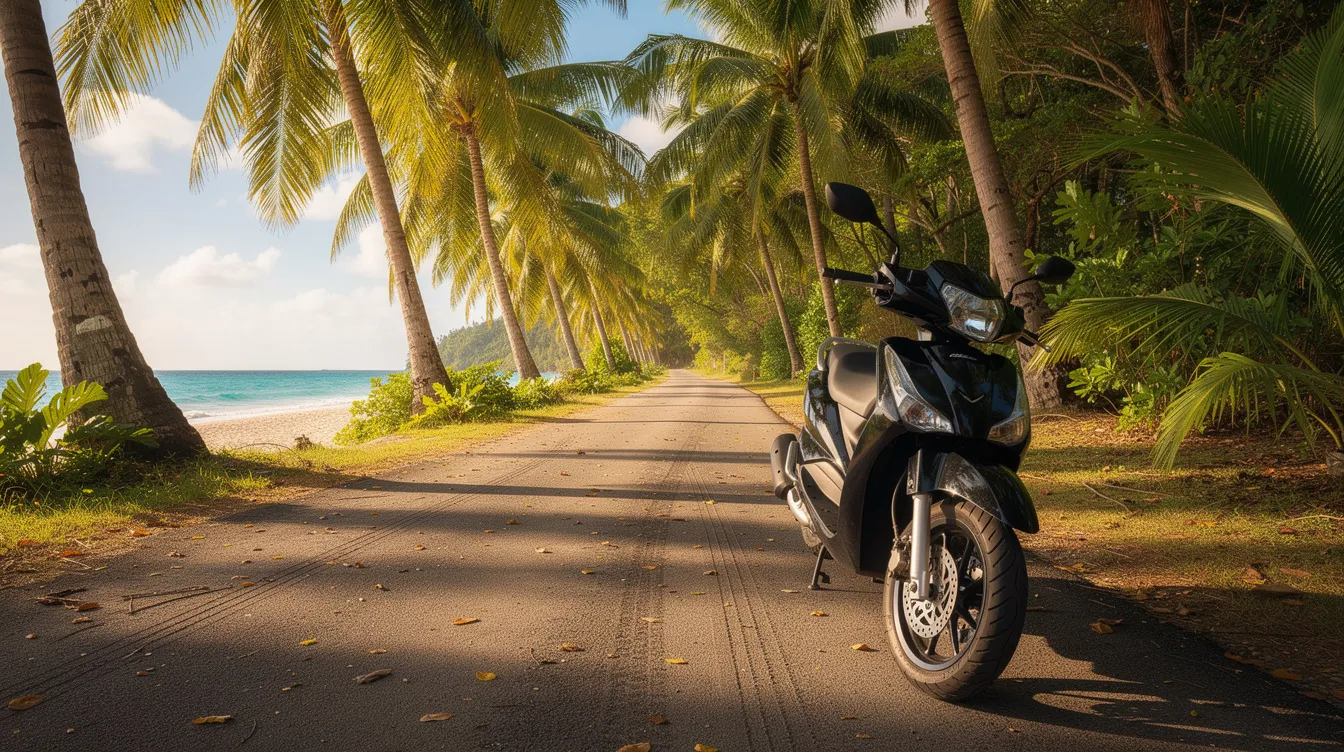
Many travellers staying at places like KUUL Villas on Koh Phangan rent scooters to explore. Verify your policy covers this before hiring any vehicle.
If you plan to enjoy adventure activities or nightlife, read on for extra cover considerations.
Adventure, Beaches and Nightlife: Extra Cover You Might Need
Thailand attracts visitors for sports and leisure activities ranging from diving to jungle parties.
Water activities:
Standard policies typically include snorkelling and supervised scuba diving up to 18–30 metres
Technical diving, liveaboards and freediving usually require specialist extra cover
Adventure activities:
Zip-lining in Chiang Mai
Rock climbing at Railay
Kayaking around Krabi
Yoga retreats on Koh Phangan
Check whether organised excursions and boat trips are covered separately from your main policy.
Nightlife risks: Alcohol-fuelled incidents at Full Moon, Half Moon and jungle parties on Koh Phangan typically aren’t covered if intoxication contributes to the problem. Insurance providers consistently reject claims where alcohol is a factor.
If you have pre-existing medical conditions, the next section explains how to get covered.
Pre-Existing Medical Conditions and Thailand Travel Insurance
Travellers with conditions like asthma, diabetes or heart issues can absolutely find travel insurance—but honest declaration is essential.
A pre-existing medical condition means any illness, symptoms or treatment you’ve had before buying your policy, including mental health conditions.
During the quote process:
Declare all conditions, even if well-controlled or historic
Complete medical screening questionnaires honestly
Expect adjusted premiums (typically 25–100% increase for controlled conditions)
The risk of non-disclosure: Failing to declare conditions can invalidate your entire insurance policy—not just claims related to that specific condition. A traveller with undeclared high blood pressure who suffers a stroke in Bangkok could face €60,000+ in medical expenses with no coverage.
Next, let’s cover vaccinations, health prep, and entry requirements for your Thailand trip.
Vaccinations, Health Prep and Entry Requirements for Thailand in 2025–2026
Entry requirements change regularly. Always verify current rules via official sources like the UK government’s FCDO, TravelHealthPro, and the Royal Thai Embassy before departure.
Recommended vaccinations:
Routine: MMR, diphtheria-tetanus-polio
Thailand-specific: Hepatitis A, typhoid
Consider rabies if trekking in remote areas
COVID-19: As of early 2025, Thailand has relaxed most COVID entry rules, though some insurance providers still ask about COVID-related medical history during screening.
Dengue fever precautions: Some mosquitoes carry dengue fever. Use DEET-based repellent (30%+ concentration) and wear long sleeves at dawn and dusk—there’s no widely used vaccine for short-term travellers.
Medication: Check prescription medication legality in Thailand (codeine is restricted). Carry a doctor’s letter and original packaging.
Digital processes: Digital arrival cards are now mandatory. UK and EU citizens typically enter visa-free for 60 days as of 2025—verify this before booking as rules change frequently.
With your health prep sorted, let’s see how visas and trip duration affect your insurance.
Visas and Travel Duration: How They Affect Your Insurance
Basic visa rules for UK residents are straightforward, but they directly impact your insurance choices.
Most UK and EU citizens can visit Thailand visa-free for up to 60 days (with 30-day extensions available). However, overstaying your visa or remaining longer than your insurance period means you’re unprotected.
Policy matching:
Match insurance dates precisely to your flights and planned extensions
Backpackers staying 60–180 days need long-stay or backpacker insurance, not standard holiday insurance
Annual policy holders should verify single-trip duration limits (often 31–45 days maximum per trip)
Always check official government travel advice for other countries you’re connecting through.
Next, let’s compare the main types of travel insurance for Thailand.
Choosing the Right Type of Travel Insurance for Your Thailand Trip
Just as you compare budget hotels, boutique resorts and villas like KUUL Villas, compare insurance with the same care.
| Type | Best For | Typical Cost | Features |
|---|---|---|---|
| Single trip policy | One holiday, 1–4 weeks | €35–€82 | Covers one trip, flexible cover levels |
| Annual multi trip policy | 2–4 trips per year | €70–€175 | Multiple trips, check max trip length |
| Long-stay/backpacker | 60+ days, multiple trips | €175–€465 | Extended stays, higher baggage/medical limits |
Cover levels:
Basic: Higher excess, lower baggage limits (€1,200)
Mid-range: Balanced protection, valuables to €3,000
Premium: Comprehensive medical cover, higher cancellation cover
Choose based on your luggage value, tech you’re carrying, and general risk tolerance.
Your accommodation style also affects your insurance needs—let’s see how.
Trip Style and Accommodation: How It Changes the Cover You Need
Your accommodation choice directly affects what insurance protection makes sense.
Hostels and budget guesthouses:
You’ll carry valuables with you more often
Higher theft risk in shared spaces
Consider increased baggage and gadget cover
Hotels and serviced apartments:
In-room safes reduce theft risk
Standard cover usually sufficient
Private villas (like KUUL Villas on Koh Phangan):
Check personal liability coverage for accidental damage to property
Private pools and high-value interiors mean potential liability claims
Worth verifying cover limits match property values
Complex itineraries: Island-hopping between Phuket, Koh Phi Phi, Koh Samui and Koh Phangan increases missed connection risks. Robust cancellation cover and travel delays protection become more important.