
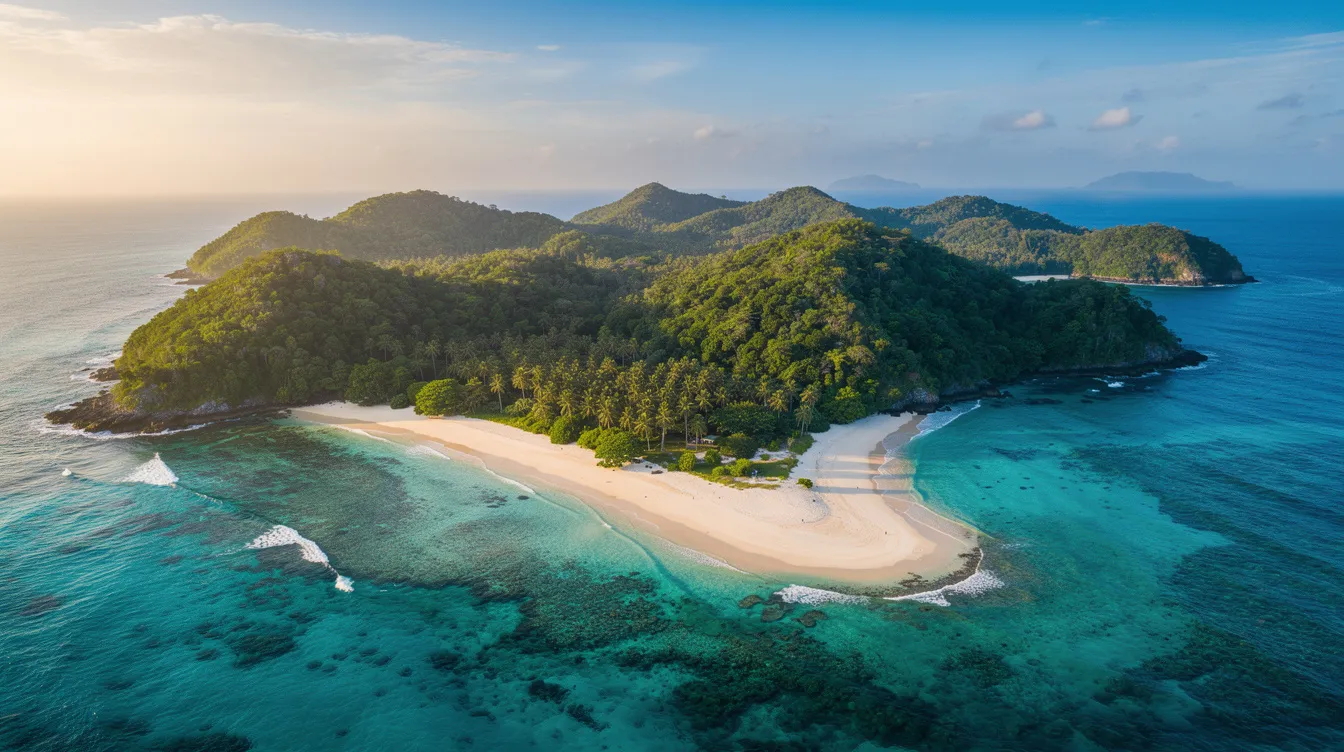
Koh Phangan sits in the Gulf of Thailand within Surat Thani Province, roughly 70 kilometers from the mainland and just 12 kilometers north of Koh Samui. This thai island has earned its reputation as a tropical paradise where hedonistic full moon party culture collides with serene yoga retreats, dense jungle covering over half the terrain, and family-friendly beaches that could rival anywhere in Southeast Asia. Whether you’re visiting koh phangan for the legendary beach raves or seeking something quieter, you’ll find an island that refuses to be defined by a single experience.
At a glance:
Population: Approximately 12,000 residents (plus growing digital nomad community)
Size: 168 km² with 48 km of coastline and 30+ beaches
Travel time from Bangkok: 10-12 hours via flight-bus-ferry combination
Currency: Thai Baht (THB); 1 USD ≈ 35-36 THB, 1 EUR ≈ 38-39 THB
Electricity: 220V at 50Hz, plug types A/B/C
Time zone: ICT (UTC+7)
Access: Boat only—no airport on the island
Famous for: Haad Rin’s moon party drawing 10,000-30,000 attendees monthly
The island is sometimes spelt Ko Pha Ngan on official Thai documents, so don’t be confused if you see it written differently. Beyond the party scene, 2026 sees Koh Phangan cementing its status as a haven for wellness seekers and remote workers, with co working spaces clustered around Srithanu and Hin Kong. This guide covers how to get to koh phangan, where to base yourself, and what to do once the music stops—or before it starts.
Koh Phangan travel essentials
Located in surat thani province in southern Thailand, Koh Phangan enjoys a tropical monsoon climate that keeps temperatures warm year-round—typically between 25-35°C depending on season. Compared to the more developed resorts of Phuket or even neighboring Ko Samui, this large island maintains a distinctly laid-back atmosphere.
Language & Communication Thai is the official language, though English is widely spoken in tourist zones like Thong Sala, Haad Rin, and Srithanu. Thai people in hospitality are generally accustomed to foreign visitors.
Money
ATMs available in Thong Sala, Baan Tai, Haad Rin, and Srithanu
Small bungalows and night markets remain cash-heavy
Cards accepted at resorts, upscale restaurants, and dive schools
Rough 2026 exchange: 1 USD ≈ 35-36 THB
Connectivity
Strong 4G/5G coverage via AIS, True, and dtac
SIM cards and eSIMs available at Surat Thani Airport, Samui Airport, and Thong Sala shops
Most rentals include WiFi; connectivity supports digital nomad lifestyles
Safety
Emergency numbers: 191 (police), 1669 (medical)
Thong Sala Hospital handles most needs; clinics scattered across the island
Main risks: motorbike accidents and party-related incidents
Travel insurance covering scooter use and diving strongly recommended
Entry Requirements (2026)
Visa exemption or visa-on-arrival for most Western nationals (US, EU, UK, Australia typically 60 days)
Passport must be valid for 6+ months
Onward ticket checks not uncommon at immigration
How to get to Koh Phangan
There’s still no airport on Koh Phangan in 2026, and none is planned for the immediate future. Every visitor arrives by ferry or speedboat, which actually enhances the island’s boat-only charm that sets it apart from more commercialized destinations. You’ll reach koh phangan via Thong Sala (main port) or Haad Rin pier, depending on your route.
From Bangkok via Surat Thani The most economical route involves flying into Surat Thani Airport (URT) from Bangkok’s Don Mueang (DMK) or Suvarnabhumi (BKK)—multiple daily flights taking approximately one hour on carriers like Nok Air, Lion Air, or Thai Lion. From the airport, a 1-1.5 hour minivan or bus transfer takes you to Donsak Pier, followed by a 2-2.5 hour ferry to thong sala pier on Koh Phangan. Combined tickets range from 700-1,200 THB, making this the budget-friendly choice despite the 10-12 hour total journey.
From Bangkok via Ko Samui Flying directly into Koh Samui Airport (USM) via Bangkok Airways cuts travel time dramatically but costs significantly more—expect 3,000-6,000 THB for flights alone. From Samui, ferries and speedboats reach Haad Rin or Thong Sala in 30-60 minutes. Combined airport-pier-ferry packages simplify logistics, and total journey time drops to around 4-5 hours from Bangkok.
Overland from Bangkok Overnight sleeper trains from Krung Thep Aphiwat (formerly Hua Lamphong) to surat thani take 9-12 hours but offer comfortable berths for 800-2,000 THB in second-class air-con. This scenic option lets you wake up in southern Thailand ready for the morning ferry connection.
From Ko Tao or Chumphon Many travelers island-hop between Koh Phangan and koh tao, positioned 35 kilometers north. High-speed catamarans connect the two islands in 1-1.5 hours for 400-700 THB. Services occasionally cancel during peak monsoon (November-December) due to rough seas.
Booking tips:
Book 3-7 days ahead for December-March peak season and Full Moon dates
Use official operator sites (Lomprayah, Raja Ferry) or aggregators like 12Go.asia
Seas are typically calmest December-April, rougher July-November
Best time to visit Koh Phangan
The Gulf of Thailand follows a different weather pattern than the Andaman Sea coast, so while Phuket and Krabi get hammered by monsoons from May, Koh Phangan stays relatively dry until later in the year. Understanding these seasons helps you plan around both weather and crowds.
December to March (Dry Season) This is peak season with mostly sunny days, calm seas perfect for diving and boat trips, and temperatures hovering between 25-32°C. The trade-off? Highest accommodation prices and ferry congestion, particularly around Christmas, New Year, and January-February Full Moon Parties. If you want guaranteed good weather and don’t mind crowds, this is your window.
April to June (Hot Season) Temperatures climb to 32-35°C with high humidity, but the sea remains swimmable and tourist numbers drop noticeably. Mid-range prices and better availability make this attractive for heat-tolerant travelers. Songkran (Thai New Year in mid-April) brings water-fight celebrations across thailand.
July to August (Shoulder Season) European school holidays bring a secondary wave of visitors alongside warm temperatures and occasional afternoon storms. This period offers a decent compromise—reasonable availability, moderate prices, and generally cooperative weather.
September to November (Wet/Monsoon) November sees the heaviest rainfall, with rough seas sometimes canceling boat trips to Ang Thong or Koh Tao. However, accommodation prices drop significantly, waterfalls like Phaeng and Than Sadet thunder at full flow, and you’ll share the island with far fewer other travellers. Some beach restaurants and tours reduce operations.
Full Moon timing:
Arrive 2-4 days before or after the party for cheaper ferries and rooms
Check the monthly calendar to align or avoid the 10,000-30,000 party crowd
Haad Rin prices spike 2-3x during Full Moon dates
Where to stay on Koh Phangan
The whole island spans 168 km²—larger than many visitors expect—so your base choice fundamentally shapes your experience. Party seekers, families, couples, and digital nomads gravitate toward different corners.
Haad Rin Ground zero for the full moon party and the island’s most intense nightlife. Hostels and mid-range hotels line both Sunrise Beach (party side) and the quieter Sunset Beach. Noise levels spike around Full Moon dates with fire shows and thumping bass until sunrise, but between parties, the area reveals genuine beauty and a backpacker social scene. Best for: party goers, backpackers, social travelers.
Baan Tai / Baan Khai This long beach strip stretches between Thong Sala and Haad Rin, offering easy access to Half Moon and Jungle party venues in the forest clearings nearby. Accommodation ranges from budget backpacker resorts to beachfront bungalows with more space than Haad Rin’s cramped quarters. Best for: party-adjacent travelers wanting breathing room.
Thong Sala The main town and primary port, Thong Sala serves as the island’s commercial hub with banks, clinics, markets, and transport connections. Budget guesthouses and a handful of boutique stays suit short visits or scooter-based explorers who want a central base. Best for: practical travelers, short stays.
Srithanu / Hin Kong The yoga and digital nomad heart of Koh Phangan has flourished here on the west coast. Vegan cafes, co working spaces, drop-in yoga studios, and a calm community atmosphere attract long-stay visitors who work remotely or pursue wellness retreats. Best for: digital nomads, wellness seekers, long-term stays.
West Coast (Haad Yao, Haad Chao Phao, Haad Salad, Mae Haad) The sunset side of the island delivers stunning sunsets, family-friendly resorts, and good swimming conditions. Mae Haad features the famous sandbar connecting to Koh Ma at low tide. These beaches offer a balanced mix of relaxation and enough bars to keep evenings interesting. Best for: couples, families, sunset chasers.
North (Chaloklum, Bottle Beach) Chaloklum fishing village maintains authentic Thai island character with dive shops and a laid-back vibe. Bottle Beach (Haad Khuat), accessible mainly by boat from Chaloklum or a challenging hike, offers remote white sand bungalows backed by jungle. Best for: escapists, divers, off-grid seekers.
East (Thong Nai Pan Noi/Yai) These two beaches in a scenic bay on the east coast host both luxury properties like Anantara Rasananda and charming mid-range bungalows. The national park backdrop and calm seas create an upscale yet relaxed atmosphere. Best for: couples, honeymooners, those seeking quality without parties.
2026 Budget Guide (per night):
Dorm beds: 200-400 THB
Simple bungalows: 800-1,500 THB
Mid-range resorts: 2,000-4,000 THB
Villas and luxury: 5,000+ THB
Note: Haad Rin prices spike 2-3x during Full Moon dates


Getting around the island
Koh Phangan lacks formal public buses, so getting around requires some planning. Most visitors rent scooters, though songthaews, taxis, and boats cover the alternatives.
Scooters The most popular option at 150-300 THB per day. Inspect brakes and tires before riding off, and consider carrying an international driving permit—police checkpoints occasionally appear near Thong Sala and Baan Tai. The main ring road is paved and manageable, but steep hills to the north and east, plus dirt tracks to bottle beach viewpoint and remote lookouts, require extra caution.
Songthaews These shared pickup taxis run fixed routes between Thong Sala, Haad Rin, Srithanu, and Chaloklum. Fares typically run 50-100 THB per person, though you’ll need to negotiate late at night or for remote destinations.
Private Taxis Pickup trucks or SUVs booked through your accommodation or messaging apps cost 200-500 THB per trip. Useful for groups, luggage-heavy arrivals on late ferries, or nights when you’d rather not navigate dark roads.
Boats & Longtails Some beautiful beach koh phangan destinations require water access. Longtails run from Chaloklum to Bottle Beach, and from Haad Rin to secluded coves like Haad Yuan and Haad Tien. Expect 100-300 THB per person—always confirm life jacket availability and check sea conditions before boarding.
Non-motorized options Bicycles work well in flatter areas around Srithanu and Thong Sala, and walking handles distances within individual beach villages.
Safety note: Helmets are legally required and genuinely important—motorbike accidents remain the most common injury on the island. Ensure your travel insurance specifically covers scooter use.
Best beaches on Koh Phangan
With over 30 named beaches along 48 kilometers of coastline, Koh Phangan delivers amazing beaches for every preference. Most visitors beach-hop by scooter or boat, discovering golden sands and clear water around every headland. Here’s a curated selection rather than an exhaustive list.
Haad Rin (Sunrise & Sunset) The iconic beautiful beach that hosts the Full Moon Party on its Sunrise side (Haad Rin Nok), with wide sand and pumping nightlife. Sunset Beach (Rin Nai) offers a quieter counterpoint with views across to Ko Samui. Between parties, even the Sunrise side reveals genuine beauty. Best for: party goers, backpackers.
Haad Yao & Haad Chao Phao These long west coast strips feature palm trees, balanced mixes of mellow bars and restaurants, decent snorkeling, and mid-range resorts. The water stays calm for day swimming most of the year. Best for: couples, families, sunset lovers.
Haad Salad A smaller, sheltered bay with calm waters and a relaxed atmosphere. Access requires a steep but paved road. Small resorts and beach restaurants line the sand—a little gem that families and couples appreciate. Best for: families, swimming, tranquility.
Mae Haad Beach & Koh Ma The star attraction here is the sandbar connecting mae haad beach to the small Koh Ma island at low tide, creating excellent snorkeling territory. Family-friendly resorts line the shore, and shallower water suits weaker swimmers. Best for: families, snorkelers.
Bottle Beach (Haad Khuat) This secret beach remains relatively remote, reached by longtail from chaloklum beach or a challenging jungle hike. White sand backed by dense vegetation rewards those who make the effort. Limited but charming bungalow operations maintain the off-grid feel. Best for: escapists, nature lovers.
Thong Nai Pan Noi & Yai These two beaches share a scenic bay on the east coast, separated by a rocky headland. The national park backdrop, calm waters, and mix of luxury resorts alongside mid-range bungalows create an upmarket yet accessible vibe. Nai Pan Noi tends toward boutique properties; Yai offers more variety. Best for: couples, honeymooners.
Than Sadet, Haad Tien & Haad Yuan More bohemian options on the east with historical ties to backpacker and wellness communities. Rough roads or boat access maintains their semi-remote character. These beaches attract those seeking alternatives to both party scenes and resort polish. Best for: bohemians, wellness seekers.
On the water: snorkelling, diving & marine trips
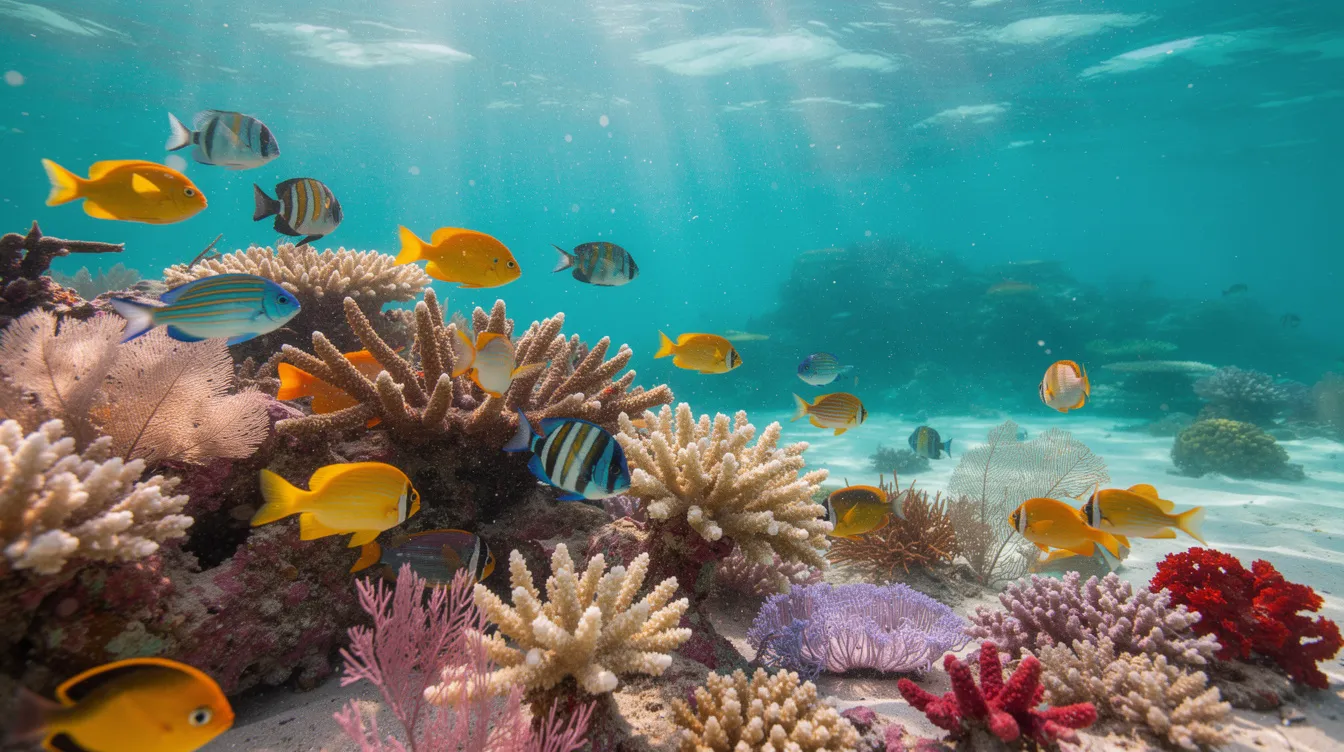
The Gulf of Thailand stays warm year-round, with water temperatures rarely dropping below 27°C. Whether you’re a certified diver or just want to float with a mask, Koh Phangan delivers accessible marine experiences.
Diving Multiple PADI/SSI dive schools operate from Thong Sala, Chaloklum, and haad yao, offering courses from beginner Open Water through Divemaster certification. The standout site is Sail Rock, a pinnacle roughly equidistant between Koh Phangan and Ko Tao, where whale shark sightings occur (though never guaranteed) from February to April. Visibility typically peaks during dry season.
Snorkelling Easy-access snorkel spots include the reef between mae haad and koh ma, salad beach, haad yao, and some east coast bays in calm conditions. Equipment rental runs around 100-200 THB from beachside shops. The best months for visibility are February through April and again July through August.
Kayaking & SUP The calmer west coast waters—particularly around Srithanu, Hin Kong, and Haad Chao Phao—suit kayak and stand-up paddleboard rentals. Evening sessions reward paddlers with stunning sunsets over the Andaman horizon.
Ang Thong National Marine Park This archipelago of 42 islands lies northwest of Koh Phangan and makes an excellent day trip. Typical itineraries include snorkeling, a viewpoint hike on Ko Wua Talap, the famous Emerald Lake visit, lunch, and optional kayaking through limestone formations.
Koh Tao & Koh Nang Yuan Day Trips Speedboat tours combine snorkeling around koh tao’s reefs with the photogenic twin-island sandbar viewpoint at Koh Nang Yuan. Note the strict no-drone and no-plastic-bottle rules enforced on Nang Yuan.
Practical tips:
Visibility best February-April, decent July-August, variable November
Choose licensed operators with proper safety equipment
Use reef-safe sunscreen—chemical sunscreens damage coral
Heed jellyfish warnings, particularly in late monsoon season
Jungle, viewpoints & waterfalls
While beaches draw most visitors, much of interior Koh Phangan remains cloaked in dense jungle, protected within sadet national park (officially Than Sadet–Ko Pha-Ngan National Park). These natural attractions provide welcome contrast to sand and salt.
Khao Ra The highest point on the island rises to approximately 627 meters. Trail options begin near the Phaeng waterfall area, with the return hike taking 2-3 hours for reasonably fit hikers. Clear days reward the effort with panoramic views over Chaloklum Bay and the Gulf of Thailand stretching toward distant islands.
Phaeng Waterfall Located conveniently near Thong Sala, Phaeng features easy access and short walking trails through jungle terrain. The waterfall performs best during rainy months (September-November) when water flow thunders through the rocks. An entrance fee applies.
Than Sadet Waterfall & Royal Stream This historically significant site received visits from king rama V between 1888-1909, with royal monograms still engraved on rocks along the stream. Swimming pools dot the waterway—pack swimwear for a refreshing dip.
Paradise Waterfall Near Chaloklum, this modest cascade charges a small entrance fee that includes a drink. Easy access from the car park makes it popular with families. Small jumping platforms and pools attract local teenagers on weekends.
Wang Sai Waterfall Another accessible option with pools for swimming, though water levels depend heavily on recent rainfall.
Viewpoints & Tours Popular viewpoints above Haad Rin and bottle beach viewpoint offer sweeping coastal panoramas. Organized 4×4 or ATV “safari” tours combine jungle tracks, peaks, and remote beaches in single half-day adventures—useful if you’d rather not navigate challenging roads yourself.
Safety tips:
Wear proper closed-toe footwear with grip
Start early to avoid midday heat and afternoon storms
Bring water and mosquito repellent
Respect park entrance fees and stay on marked trails
Cultural experiences & wellness scene
Koh Phangan blends traditional Thai island life—temples, fishing communities, night markets—with a flourishing wellness and yoga community that’s concentrated on the west coast but present throughout.
Night Markets Thong Sala hosts the phantip night market nightly, where street food stalls dish up pad thai, som tam, grilled seafood, and mango sticky rice alongside casual souvenir shopping. The Saturday Walking Street Market expands the options with additional vendors and live music. Meals run 30-80 THB per dish.
Thai Cooking Classes Join a local cooking class that typically begins with a fresh market tour in Thong Sala, followed by hands-on preparation of 3-5 dishes—massaman curry, tom yum soup, papaya salad, and more. Instructors adjust spice levels and send you home with recipes. Half-day sessions suit foodies of all skill levels.
Yoga & Meditation Srithanu and salad beach areas host well-known retreat centers offering drop-in yoga class sessions, multi-day intensive retreats, and specialized workshops in breathwork and sound healing. Sunset classes by the beach define the experience here.
Herbal Saunas & Spas The traditional herbal sauna attached to Wat Pho in Baan Tai offers a budget-friendly steam experience using local herbs—a detox favorite after party nights or jungle treks. More upscale spa facilities operate within east and west coast resorts.
Bicycle & Village Tours Guided rides through coconut groves, small farms, and local temples reveal everyday island life beyond the tourist beaches. Tours typically include snack stops and explanations of traditional livelihoods from thai people who’ve lived here for generations.
Temples & spiritual sites
Visiting a few of Koh Phangan’s Buddhist temples offers insight into local beliefs, community events, and island history that predates any beach bar by centuries.
Wat Phu Khao Noi Considered one of the island’s oldest wats, this temple sits on a small hill outside Thong Sala. The white chedi and peaceful grounds make it suitable for sunrise visits or quiet contemplation away from the beach.
Wat Samai Kongka Known for its striking “Buddhist hell” garden sculptures depicting karmic punishments from Thai Buddhist tradition. The vivid—sometimes surreal—statues make this a memorable and slightly unusual visit.
Wat Ruese Pa Saeng Tham Despite its proximity to the main road, this temple maintains a forested atmosphere with courtyard statues and modest viewpoints over the jungle canopy from upper levels.
Wat Pho (Baan Tai) Connected to its popular herbal sauna, this temple sees both devoted locals and visiting travelers seeking post-party restoration.
Temple etiquette:
Cover shoulders and knees before entering
Remove shoes at ordination hall entrances
Keep voices low and behavior respectful
Ask permission before photographing monks
Parties & nightlife: Full Moon and beyond
Koh Phangan earned its global reputation as a party island through the legendary Full Moon Party at Haad Rin, running monthly since the late 1980s. But today’s scene extends well beyond that single night.
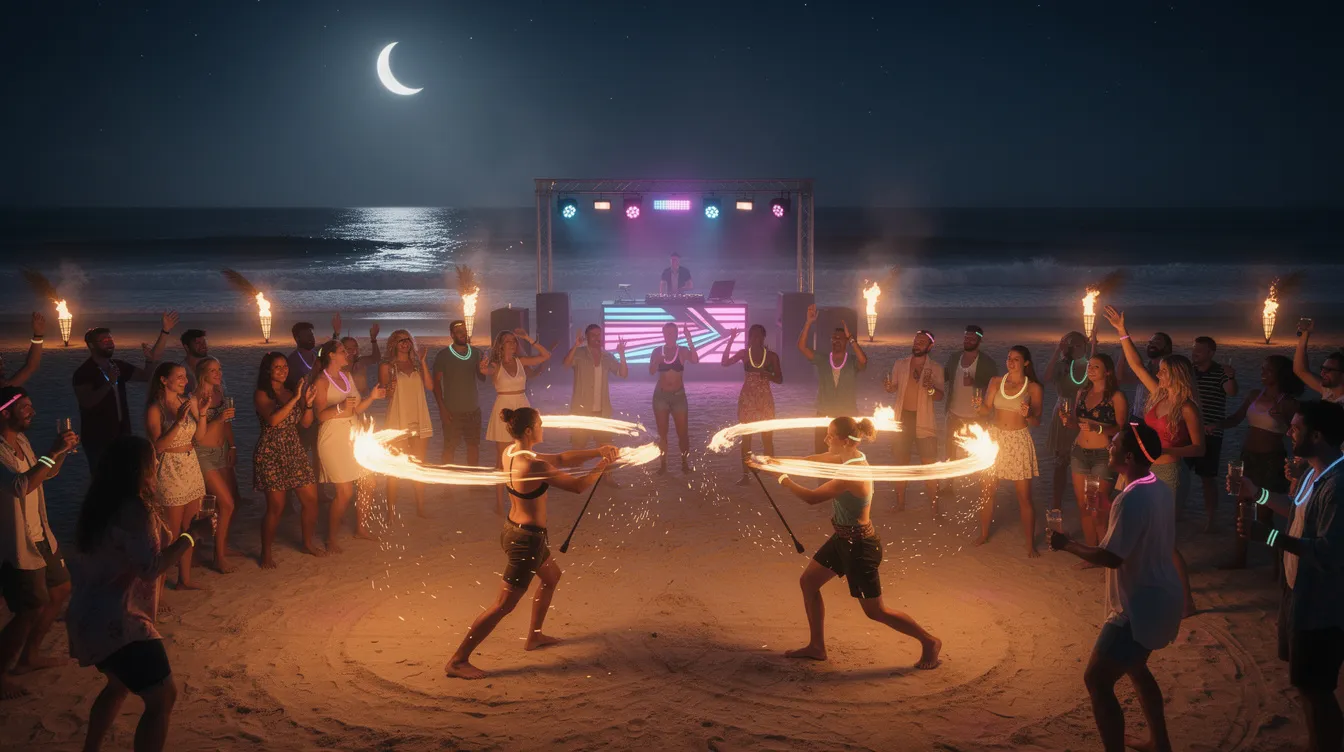
Full Moon Party The main event takes place on haad rin beach (Sunrise Beach), with multiple music zones pumping electronic music, psytrance, and reggae while neon body paint glows under black lights. Fire shows, bucket drinks, and dancing until sunrise define the experience. Attendance ranges from 10,000 to 30,000 depending on season and day of week.
Half Moon & Jungle Parties These events occur in forest clearings near Baan Tai on nights around the full and new moon. Better stage production, impressive light shows, and a more controlled environment attract those who prefer their raving with fewer random beach hazards.
Black Moon, Shiva Moon & Other Events Smaller psytrance-oriented gatherings draw loyal crowds to the Baan Tai/Baan Khai area. These events maintain dedicated followings among electronic music enthusiasts seeking alternatives to the mega-party.
Bars & Chilled Nightlife Not everyone wants an all-night rave. Sunset bars at haad yao, Srithanu, and Hin Kong offer live music and DJ sets with cocktails. Quieter spots in Thong Sala and thong nai pan serve those seeking conversation-friendly evenings.
Safety considerations:
Pace alcohol consumption—bucket drinks are stronger than they taste
Watch drinks at crowded events
Avoid fire rope skipping unless experienced (burns are common)
Arrange return transport before you start drinking
Bring ear protection for sensitive ears
Thai drug laws carry strict penalties—possession can mean prison
Food, cafes & nightlife dining
Koh Phangan’s food scene has evolved alongside its wellness and nomad communities, offering everything from roadside noodle stalls to specialty coffee and raw vegan desserts.
Thai Street Food & Local Eateries Southern Thai curries punch harder with spice than their Bangkok counterparts. Try grilled fish with dipping sauces, papaya salad (som tam), khao man gai (chicken rice), and roti from small shophouse restaurants throughout the island. The main town and night markets offer the best concentration.
Night Markets Phantip Night Market in Thong Sala serves as the budget traveler’s kitchen. Dishes run 30-80 THB, with grilled satay, fresh spring rolls, and mango sticky rice among the highlights. Arrive around 6-7pm for peak selection.
Seafood & Beach Restaurants Beachside venues in haad yao, Chaloklum, and Thong Nai Pan let you dine with feet in sand while watching sunset paint the sky. Fresh catches displayed on ice mean you can often select your fish before it hits the grill.
Cafes & Brunch Spots Specialty coffee and remote-work-friendly cafes have proliferated around Srithanu, Haad Yao, and Thong Sala. Espresso-based drinks, smoothie bowls, and Western breakfasts cater to the digital nomad crowd needing caffeine and WiFi.
Vegan & Health-Focused Food Srithanu in particular concentrates plant-based restaurants serving raw desserts, açai bowls, and gluten-free options. The wellness community supports these establishments year-round.
Practical tips:
Drink bottled water or use refill stations
Vegetarian options available almost everywhere; halal more limited
Most restaurants open 11am-10pm
Budget roughly 50-150 THB for street food, 300+ THB for sit-down restaurants
Example 3–5 day itineraries
Itineraries vary depending on whether you prioritize parties, nature, or relaxation. These sample plans can be mixed and matched according to your interests.
3-Day First-Timer Sampler
Day 1: Arrive at Thong Sala, settle into west coast accommodation (Haad Yao or Haad Salad). Afternoon beach exploration, sunset drinks at a beachfront bar.
Day 2: Morning jungle hike to Phaeng Waterfall or ambitious attempt at khao ra summit. Afternoon yoga class in Srithanu followed by herbal sauna.
Day 3: Full-day boat trip to Ang Thong National Marine Park or snorkeling at Mae Haad/Koh Ma. Evening at Phantip Night Market.
4-Day Party + Recovery
Day 1: Arrive, beach time at Haad Rin Sunset Beach, pre-party nap.
Day 2: Full Moon Party night (or Half Moon/Jungle Party depending on timing).
Day 3: Sleep in, recovery day on quiet west coast beach, casual thai food dinner.
Day 4: Cultural exploration—temples, cooking class, evening market before departure.
5-Day Wellness & Slow Travel
Day 1-2: Base in Srithanu. Daily yoga sessions, cafe work time, explore local wellness scene.
Day 3: Half-day trek to waterfall, afternoon on beach, Saturday Walking Street if timing aligns.
Day 4: Boat trip to Bottle Beach or Than Sadet for remote beach experience.
Day 5: Morning yoga, final cafe session, departure.
Logistics tips:
Staying in one base beats constant moving
Leave buffer time before onward ferries
Check Full Moon calendar before finalizing dates—recommend heading to book early if aligning or avoiding


Responsible travel & final tips
Koh Phangan’s appeal lies partly in its relatively intact jungle and marine environments. Visitors play a direct role in whether these survive the next decade of growing tourism.
Environmental responsibility:
Use reef-safe sunscreen—chemical alternatives damage coral
Refuse single-use plastics; refill water bottles
Join beach cleanups where available (Trash Hero organizes regular sessions)
Never step on coral or touch marine life while snorkeling
Local culture respect:
Health & safety:
Sun protection and hydration matter more than most visitors expect
Confirm travel insurance covers motorbike accidents and diving
Check latest health advisories for Thailand before departure
Booking & planning:
Book ferries and accommodation well ahead for dry season and Full Moon dates
Leave flexibility for weather-dependent trips like Ang Thong or Koh Tao snorkeling
Peak season runs December-March; better value April-June and July-August
Koh Phangan in 2026 transcends its party island reputation. Yes, the Full Moon Party remains an iconic bucket-list experience, but spend a week here and you’ll discover jungle-clad peaks, swimming pool waterfalls, yoga at sunset, and beaches that could rival anywhere on earth. The island rewards those who slow down, rent a scooter, and explore beyond Haad Rin—whether that means watching pink dolphins from a quiet bay, mastering massaman curry in a cooking class, or simply letting another stunning sunset wash the day away. Book those ferries, pack reef-safe sunscreen, and prepare for a thai island that delivers far more than a single legendary party.


